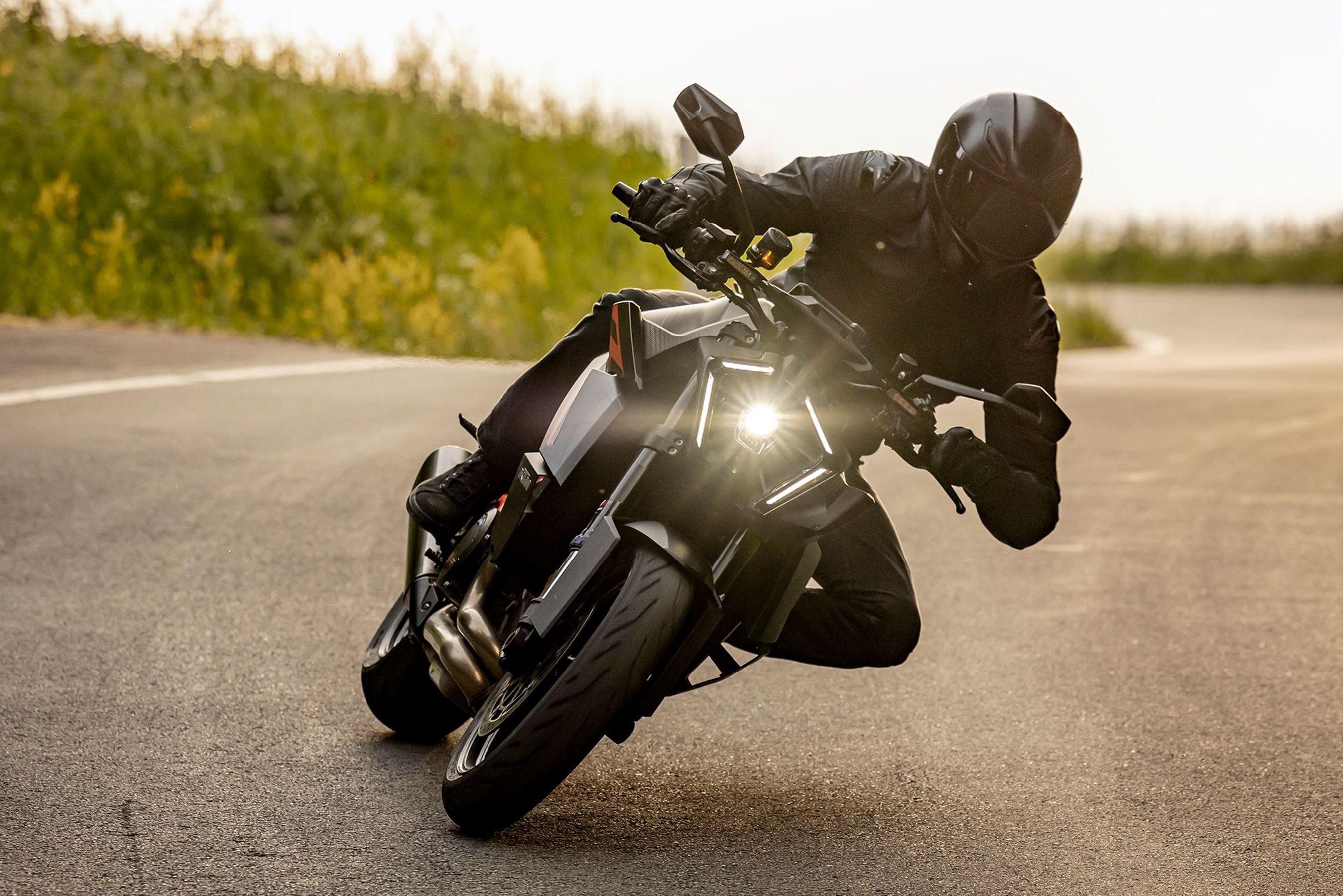



Choosing the right tires for your motorcycle is crucial for safety, handling, and driving pleasure. A tool that is often underestimated in this process is the ETRTO table. ETRTO stands for European Tyre and Rim Technical Organisation and defines standard sizes for tires and rims to ensure their compatibility and safety.
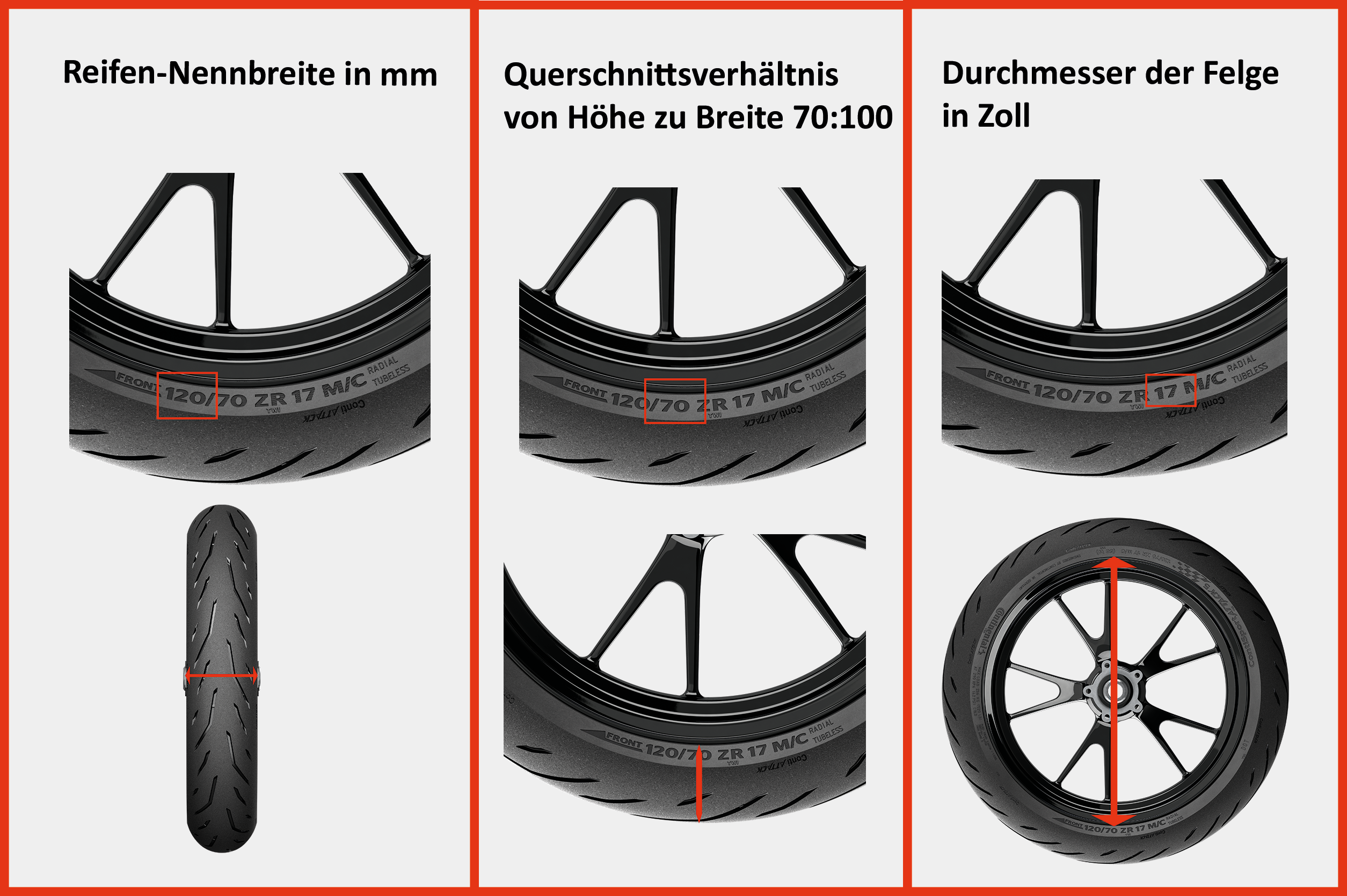
A tire labeled 120/70-17 has the following characteristics:
- Width: 120 mm
- Section: % 70 wide
- Rim diameter: 17 inches
This detailed information prevents errors in purchase and ensures that tires can be installed correctly technically.
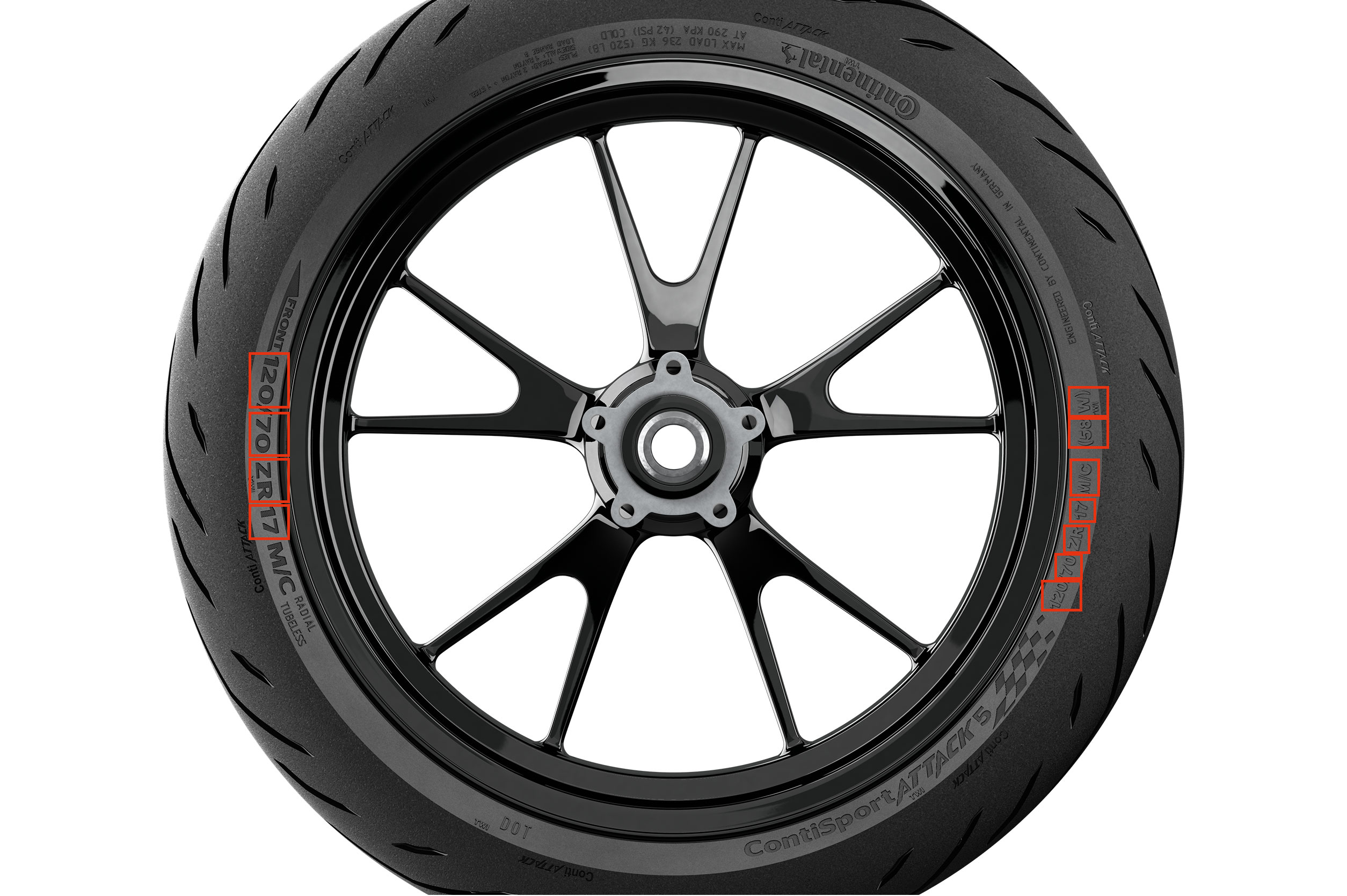
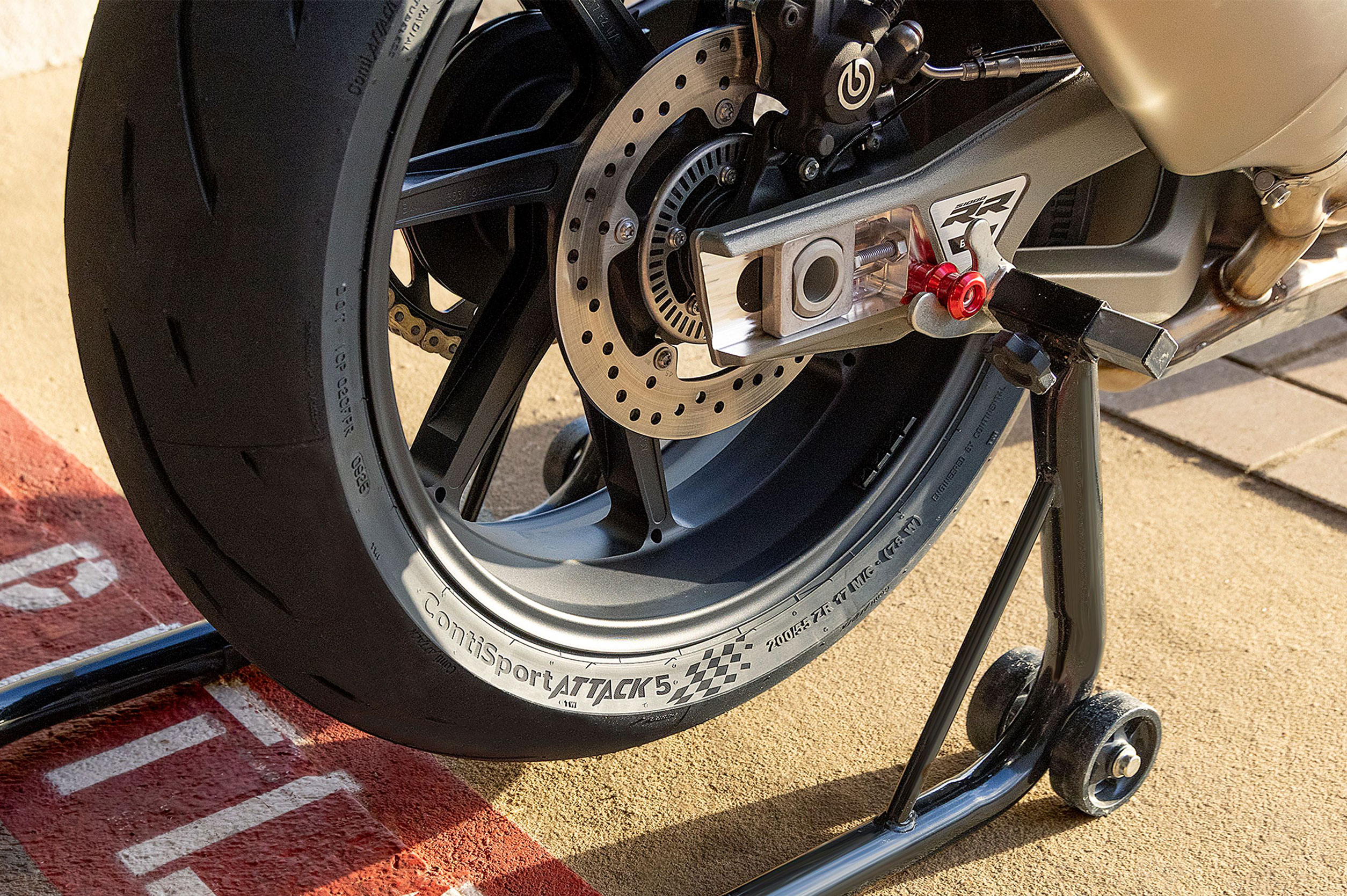
The ETRTO label explains:
120/70 ZR 17 58W
- 120 – Tire width in millimeters
- 70 – Cross-sectional ratio in percent
- ZR – Radial construction
- 17 – Rim diameter in inches
- 58 – Carrying capacity index (58 : 236 kg)
- (W) – Speed index >270 km/h
- M/C – Motorcycle
These details must necessarily match your vehicle registration and the tire’s certificate of conformity. A wrong combination can affect the vehicle’s handling and, in the worst case, lead to damage or accidents.
What tire sizes are available?
| Tire monster table | Download |
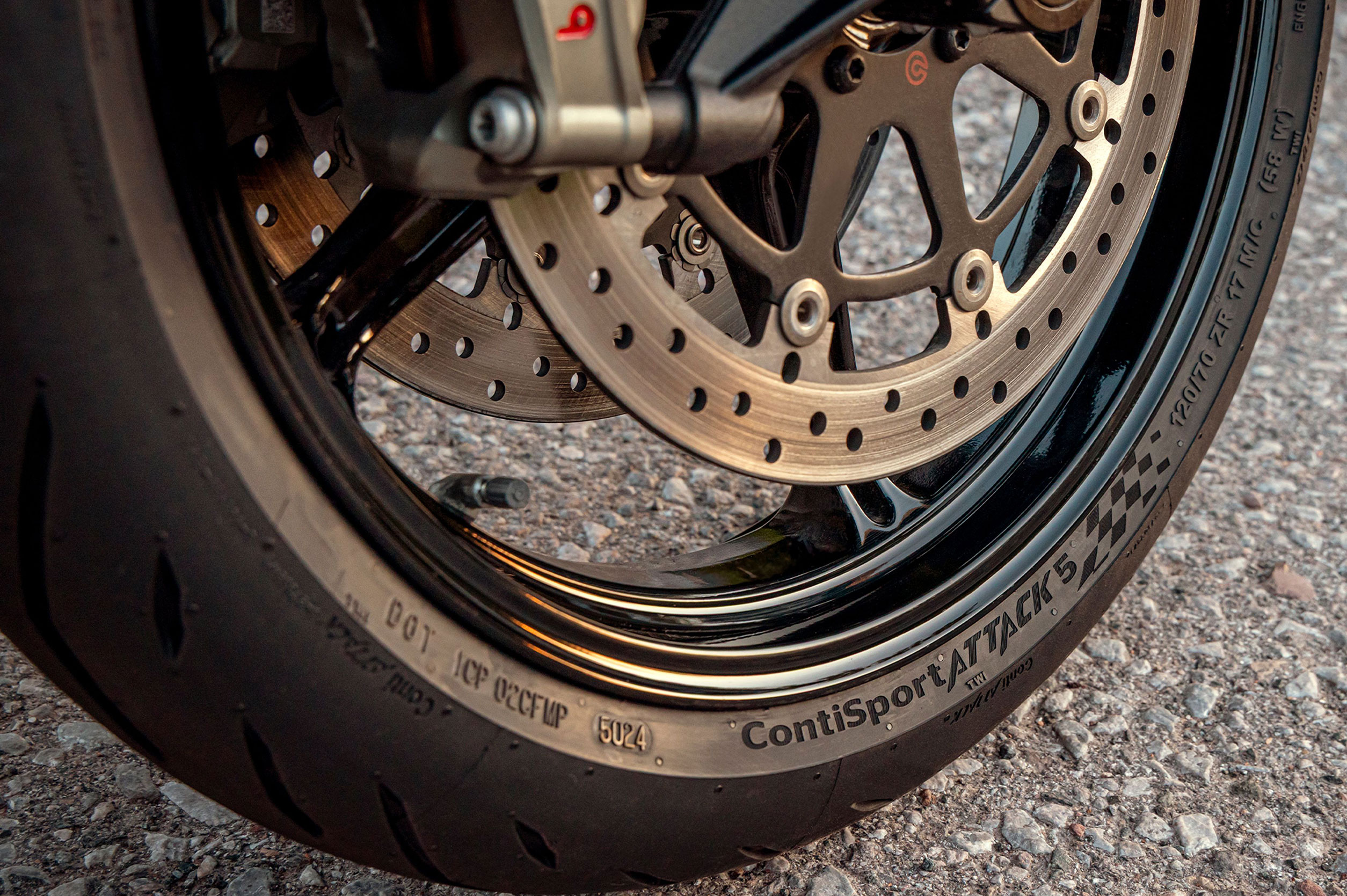
The ETRTO table is an important reference work.
It is not a publicly accessible list, but a system of technical data that tire and wheel manufacturers use.
It contains:
- Permissible rim widths per tire size
- Information about cross sections
- Requirements for compatible combinations
You can also find the same values in:
- Manufacturer's manuals
- Rim and tire evaluations
- Technical specifications of motorcycle manufacturers
Compliance with the regulations is particularly important in Switzerland, as deviations often require an individual inspection or an expert report from the Motor Vehicle Inspection (MFK).
Possible problems with non-compliance with the ETRTO standards.
Compliance with the ETRTO standards is essential for road safety. It prevents errors in tire selection and ensures that tires can be mounted correctly technically.

Instability.
Tyres that are too wide on narrow rims lead to imprecise handling.
Overload of the flanks.
Increases the risk of damage and breakdowns.
Impaired braking performance.
The contact surface may be affected.
Risk of accident.
In the worst case, loss of control and injuries can occur.
Other factors when choosing tires.
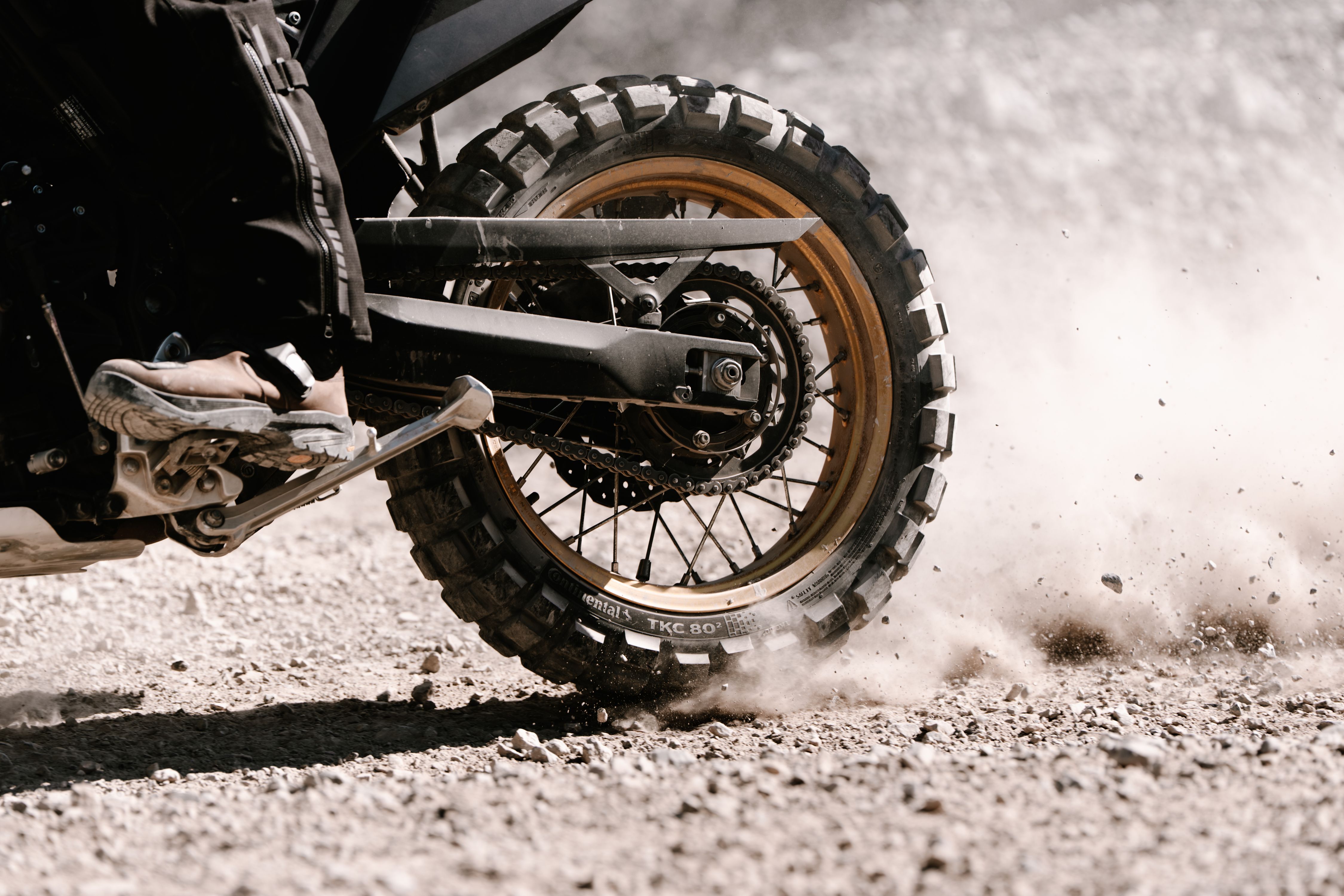
In addition to the ETRTO specifications, there are additional points to consider when choosing tires:
- Motorcycle type (Sport, Touring, Enduro etc.)
- Driving style (sporty, comfortable, long-distance)
- Weather and road conditions
- Tire profile (grip, mileage, comfort)
- Information in the vehicle registration certificate
The ETRTO table provides the technical basis, but the final choice should always be made in accordance with the manufacturer's recommendations and the user's own needs.
Conclusion: ETRTO – The key to choosing safe tires.
The ETRTO standard is an essential tool when choosing motorcycle tires. A suitable tire-rim combination improves handling, safety, and driving pleasure.
Anyone who understands the markings and follows the manufacturer's recommendations not only drives more safely but also more efficiently.
In case of any ambiguity, it is always advisable to seek advice from the specialist trade – especially with regard to the Swiss MFK regulations.